Understanding the Impact of Organ Donation
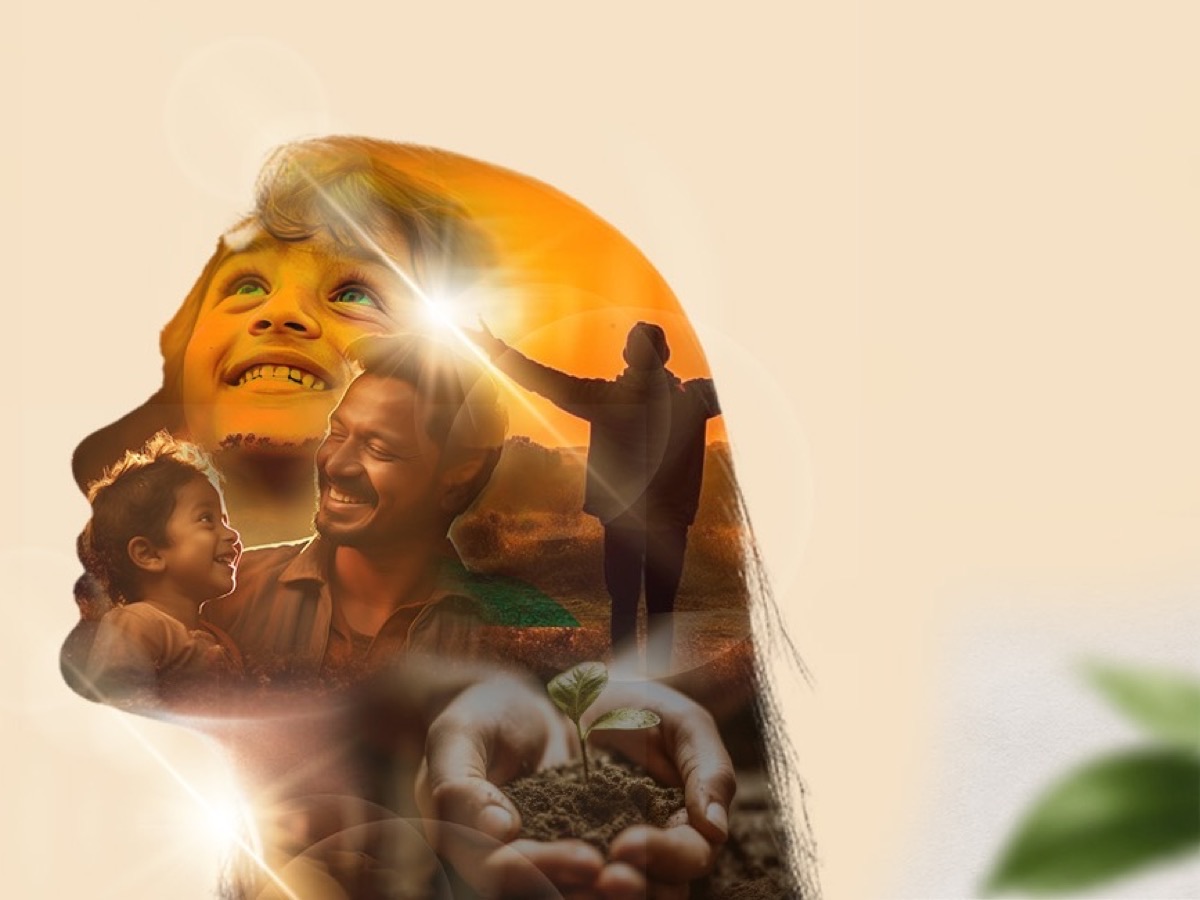
Organ donation is more than a medical procedure—it is an opportunity for life to continue.
Every year, thousands of patients and their families face the uncertainty of organ failure. For many of them, transplantation is not simply another treatment option; it may represent their best chance to survive, recover, and return to the people and lives they love.
One organ donor can potentially save up to eight lives through organ donation, while tissue donation can help many more people. Behind these numbers are individuals—a parent waiting to return home, a child hoping for a healthier future, or a family waiting for one life-changing phone call.
What Is Organ Donation?
Organ donation is the process through which healthy organs from a donor are transplanted into patients whose organs have failed or are no longer functioning adequately.
Organs that may be donated include the heart, lungs, liver, kidneys, pancreas and intestine, depending on medical suitability and applicable transplantation guidelines.
Tissues such as corneas, skin, bones, heart valves and blood vessels may also be donated in appropriate circumstances.
Living donation is also possible for certain organs. A healthy person may, subject to medical and legal requirements, donate one kidney or a portion of certain organs such as the liver.
One Decision Can Touch Many Lives
The impact of organ donation extends far beyond the recipient.
When a successful transplant gives someone another opportunity at life, an entire family can experience that transformation. Parents may get more years with their children. Children may regain the presence and support of a parent. Families that have spent months or years moving between hospitals, consultations and treatments may finally begin looking toward a different future.
This is why organ donation should not be viewed only through statistics.
Every transplant represents a network of lives affected by one extraordinary decision.
Why Awareness Matters
Despite advances in transplantation medicine, the need for organs continues to exceed their availability.
One of the biggest challenges is not always willingness—it is often awareness.
Many people support organ donation in principle but have never discussed their wishes with their families. Others may have questions about eligibility, religious considerations, the donation process, medical procedures or registration.
Open and informed conversations can make a meaningful difference.
Understanding organ donation allows individuals and families to make decisions based on facts rather than fear, confusion or misinformation.
The Role of Families
A conversation at home can be one of the most important steps in the organ donation journey.
If you wish to become an organ donor, communicate that decision clearly with your family. Registration can demonstrate your intention, but family awareness is extremely important when decisions must be made during emotionally difficult circumstances.
Organ donation should therefore become a family conversation—not a subject discussed only when tragedy occurs.
Ask questions. Understand the process. Discuss your wishes. Allow your family members to share theirs.
A Legacy Beyond a Lifetime
For donor families, the decision to donate can carry profound meaning.
During a moment of immense personal loss, donation may create an opportunity for another person to live. Nothing can replace the person who has been lost, but their generosity can become part of several other lives and families.
A heartbeat may continue.
Someone may breathe freely again.
Someone may no longer depend on dialysis.
Someone may see the world again through donated corneas.
Someone may return home to their family.
That is the extraordinary human possibility behind organ donation.
Building a Culture of Donation
At Eternal Gift Foundation, we believe meaningful change begins with awareness.
Our mission is to encourage informed conversations about organ donation, help communities understand its importance, address misconceptions and inspire people to consider the possibility of giving someone another chance at life.
A society that understands organ donation is better prepared to support patients waiting for transplantation and families making difficult decisions.
The journey begins with knowledge.
It continues with conversation.
And sometimes, one decision can allow life to continue in ways we could never have imagined.
Learn. Discuss. Decide. Share your decision with your family.
Because one gift can become someone else's tomorrow.
This article is for general awareness and is not a substitute for medical advice. Please consult a qualified doctor about your own health. See our medical information disclaimer.