Inspiring Stories: A Legacy of Hope
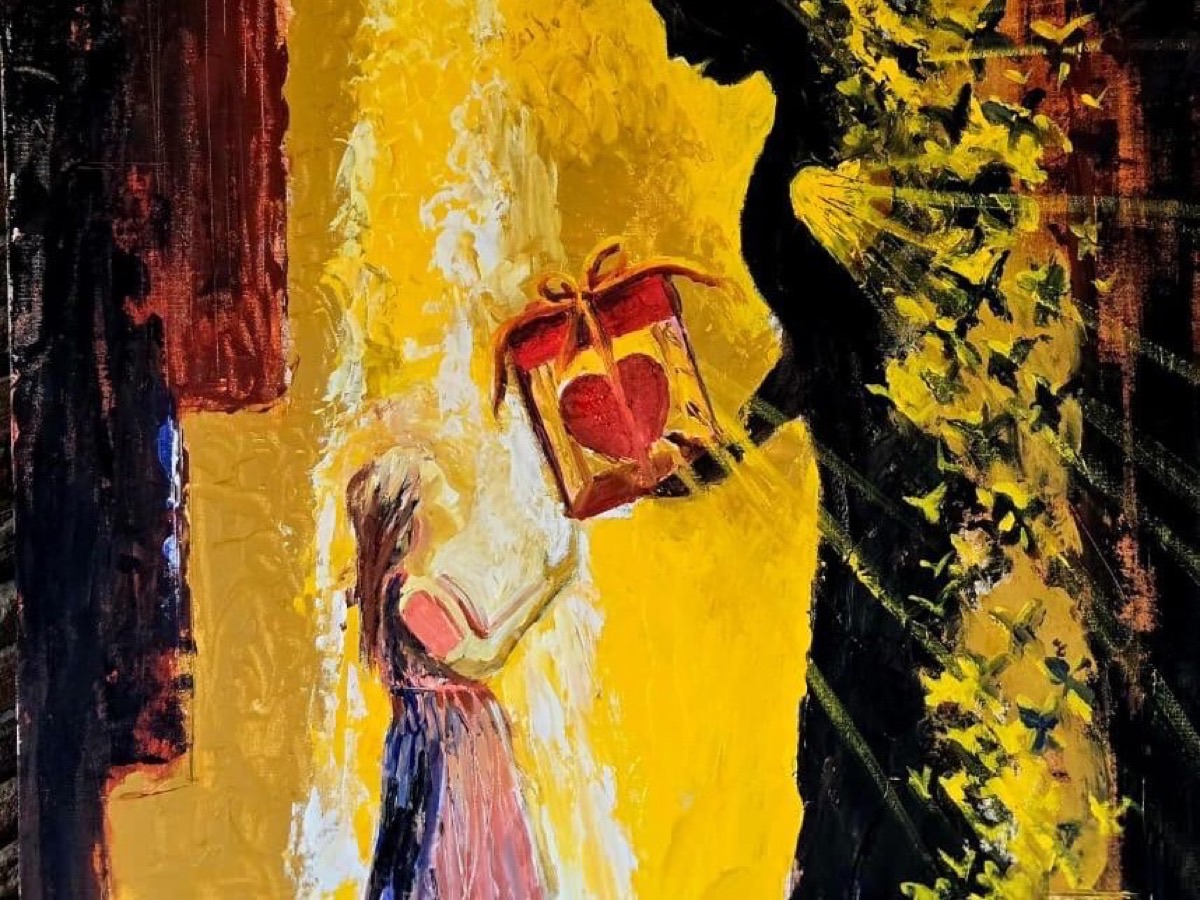
Some decisions are remembered not because they change one moment, but because their impact continues through the lives of others.
Organ donation represents one of those extraordinary decisions.
Behind every successful organ transplant is not only a recipient and a medical team, but also a donor and a family who, during an unimaginably difficult moment, made a decision that offered hope to someone they had never met.
Behind Every Donation Is a Human Story
Statistics help us understand the scale of organ donation, but they cannot fully express its emotional impact.
A recipient may have spent years undergoing treatment while waiting for a transplant.
A family may have watched someone they love become progressively more dependent on hospitals, medication or dialysis.
Then comes a phone call.
An organ has become available.
For the recipient's family, that call may represent hope.
At the same time, somewhere else, another family may be experiencing profound grief.
These two realities—loss and hope—can become connected through the gift of organ donation.
The Courage of Donor Families
The decision to donate organs after the death of a loved one requires extraordinary compassion.
Donor families make this decision while processing their own grief. Their generosity does not diminish their loss, nor does transplantation replace the person they loved.
But through donation, something meaningful can emerge from an incredibly painful moment.
A person who is no longer physically present may become part of several continuing stories.
Someone may receive a heart.
Another may receive a kidney.
Someone else may receive a liver or lungs.
Others may regain sight through tissue donation.
One family's decision can create possibilities for families they may never meet.
For Recipients, a Transplant Is a New Responsibility
Receiving an organ is not simply receiving additional years of life.
For many recipients, it means returning to experiences that illness had gradually taken away.
Eating dinner with family.
Going back to work.
Watching children grow.
Travelling.
Walking without constant exhaustion.
Planning for next year rather than the next hospital visit.
These everyday moments can become extraordinary after transplantation.
Many recipients also carry a deep sense of gratitude toward their unknown donors and donor families. They understand that their second opportunity came through another person's generosity.
A Legacy That Cannot Be Measured
Legacy is often associated with what we build, achieve or leave behind.
Organ donation offers another interpretation.
A legacy can exist in someone else's heartbeat.
It can exist in a person taking a full breath.
It can exist in someone returning home after years of treatment.
It can exist in the happiness of a family that receives more time with someone they love.
This is why organ donation is often described as the gift of life.
It transforms the meaning of giving itself.
Every Story Begins With a Conversation
Many donor stories begin long before donation takes place.
They begin when someone tells their family:
"If it is ever possible, I would want to help someone else."
That conversation matters.
When families know a person's wishes, they are better prepared to understand and honour those wishes if they are ever faced with such a decision.
Talking about organ donation does not have to be uncomfortable or frightening. It can simply be a conversation about what we value and how we would want to help others.
Keeping Stories of Generosity Alive
At Eternal Gift Foundation, we believe donor families and transplant recipients represent some of the most powerful voices in organ donation awareness.
Their experiences remind us that transplantation is not merely about medicine.
It is about humanity.
It is about courage during grief.
It is about strangers becoming connected without ever knowing one another.
And above all, it is about the possibility that when one journey changes, another may be given the opportunity to continue.
Some gifts are remembered for a day. The gift of life can become part of generations.
This article is for general awareness and is not a substitute for medical advice. Please consult a qualified doctor about your own health. See our medical information disclaimer.